
Introduction
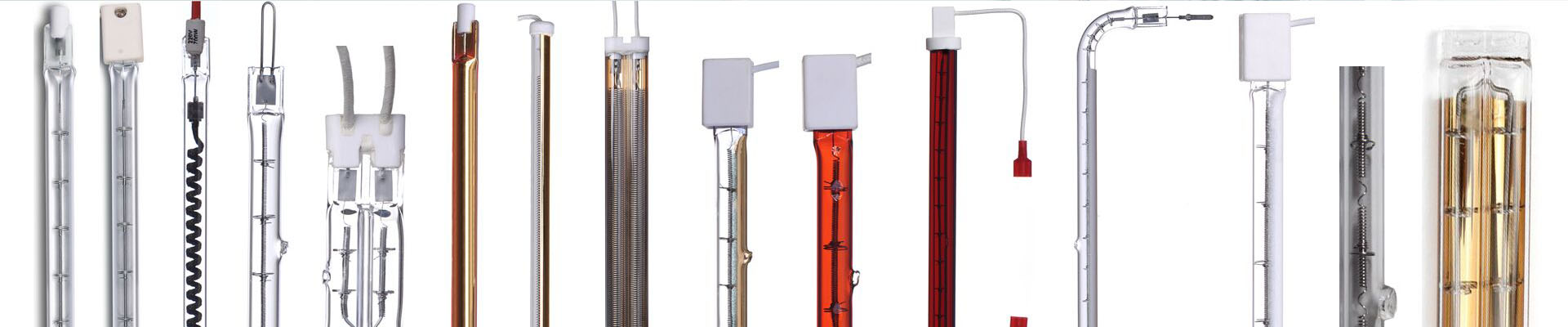
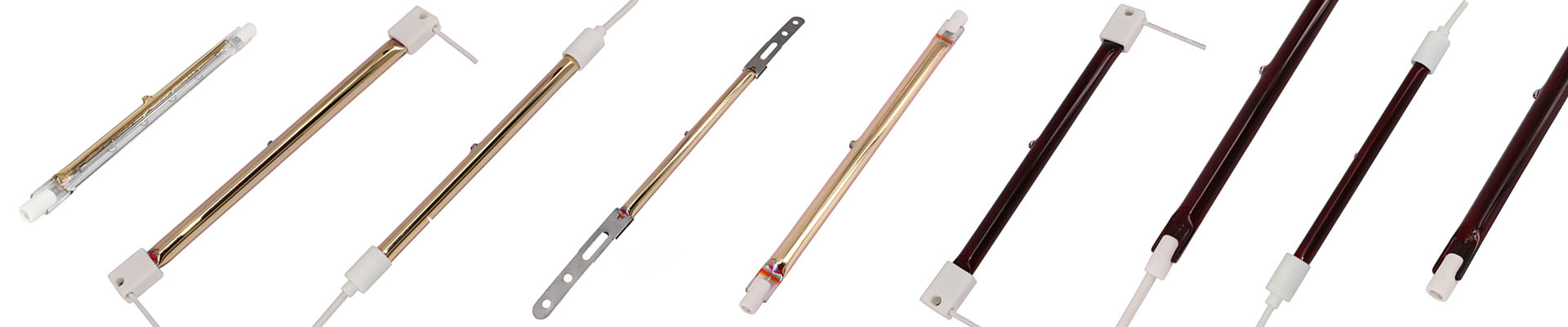
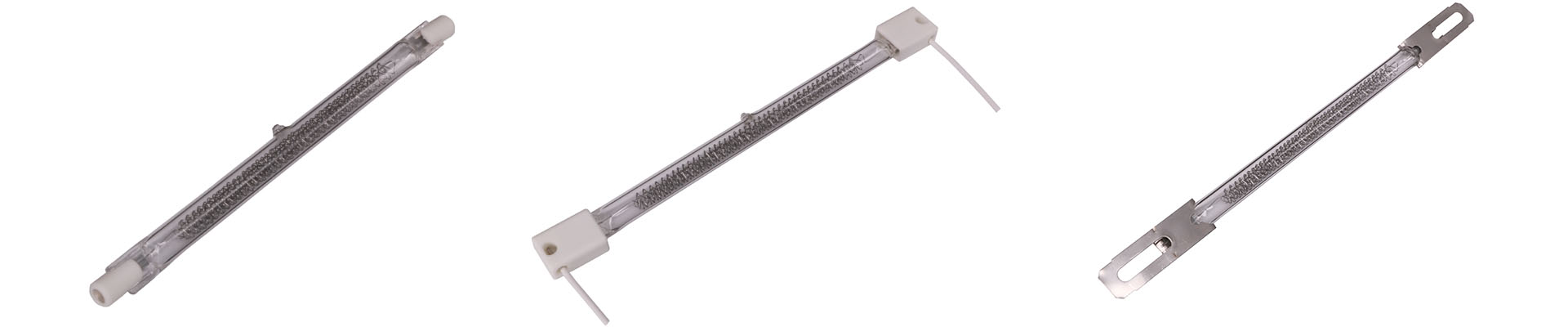
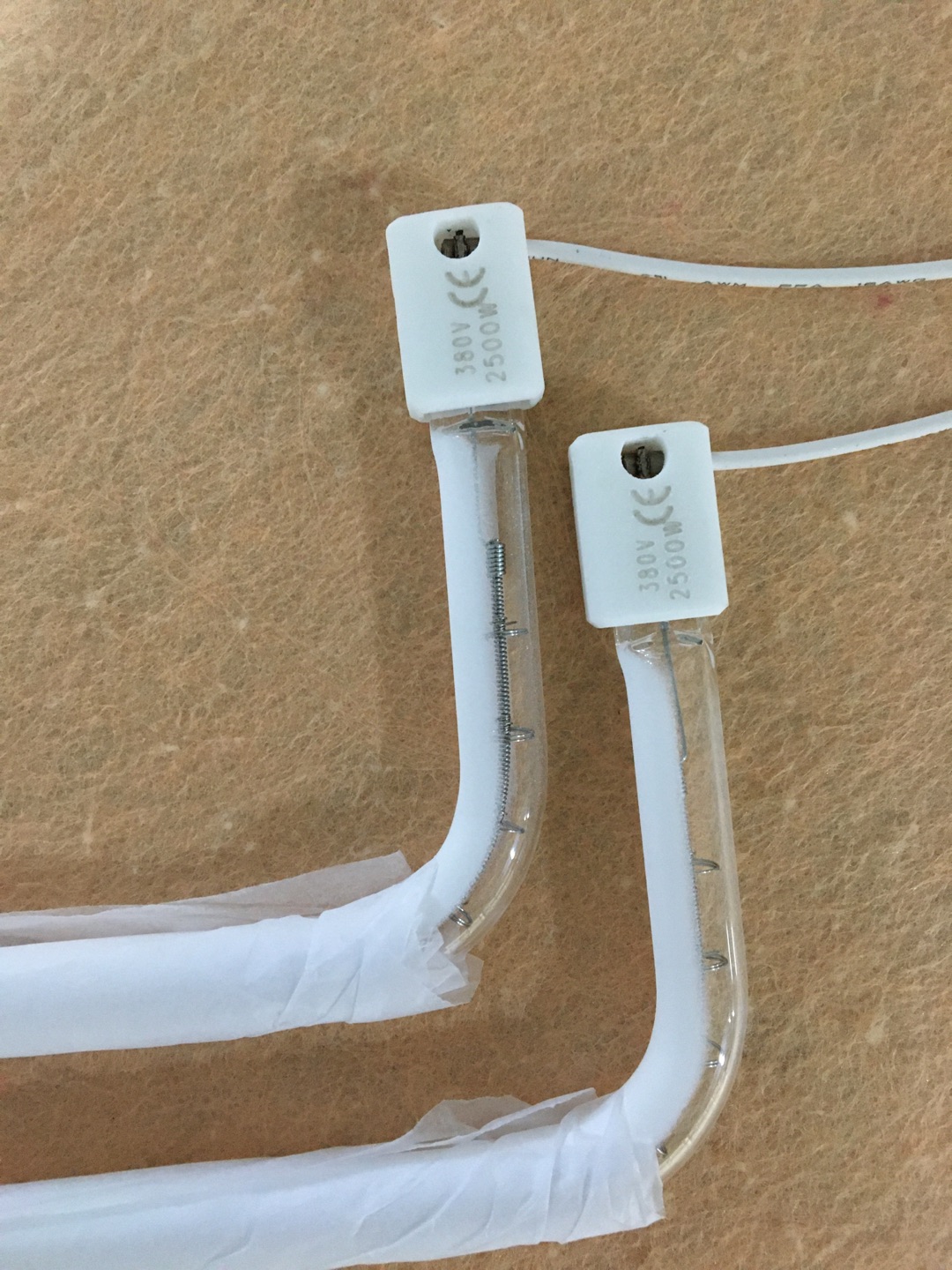
We built this 1000W round carbon fiber infrared heating lamp for engineers who need heat they can count on, in a package that fits tight spaces and survives real-world work.
| 产品品牌 | 电压 | 功率 | 长度 |
|---|---|---|---|
| OYATE | 12~600V | 50~15000w | 70~3000mm |
| OYATE | 12~600V | 50~15000w | 70~3000mm |
| OYATE | 12~600V | 50~15000w | 70~3000mm |
It’s direct-radiant heat, designed to snap on fast and stay steady—ideal for industrial heating, drying, and keeping your process in the right groove. The round shape and carbon fiber emitter deliver consistent infrared energy where space is at a premium and downtime just isn’t an option.
Technical Deep-Dive
Rated at 1000W, it packs serious heat density into a small footprint. The round form concentrates the radiant field, so it naturally matches curved or confined surfaces. Voltage is matched to industrial power, so you can spec it into existing control panels without rewiring the whole line. Its compact length keeps it from crowding your machinery, yet it still delivers the infrared intensity you need. And the response? Near-instant. No long warm-up. That means your cycle times stay tight.
Material & Design
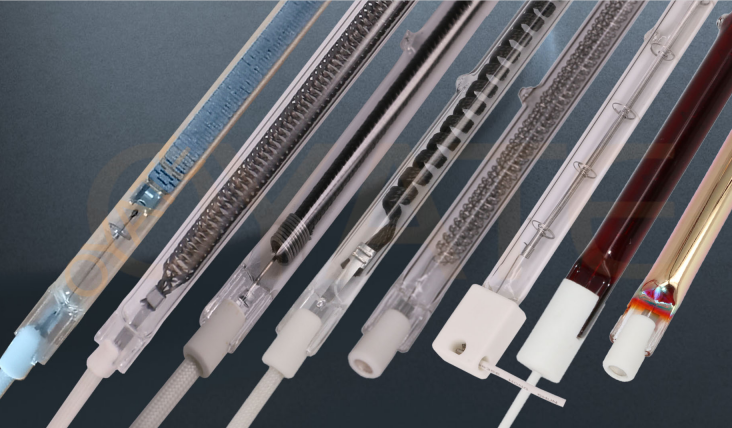
Carbon fiber is the heart of the emitter, chosen for high emissivity and thermal stability. It heats quickly, keeps output steady through repeated thermal cycles, and handles the stress that often kills conventional filaments. The round carbon fiber element spreads heat evenly, which cuts hot spots and helps the lamp survive repeated start-stop duty without cracking. The quartz envelope handles rapid temperature swings and stays clear, so infrared transmission stays consistent. And the connector interface is tool-free—swap it in, wire it up, and get the machine back online fast.
Application & Benefits
This setup is built for industrial work: PET blowing, plastic preheating, coating drying, and adhesive curing. The concentrated infrared output hits the surface directly, which improves repeatability and wastes less energy. The round shape makes mounting in tight bays easier, and it aligns cleanly with reflectors when you want focused heat. Here’s the trade-off, plain and simple: 1000W means strong heat density, so surrounding equipment needs to be rated for the ambient rise, and your driver or control circuit has to handle the inrush current. For engineers, the payoff is straightforward—compact power, fast response, and a lamp that can take a beating without forcing you to rework your process.