
Introduction
We engineer the 220V 1300W S-shape clear carbon fiber heat lamp as a direct replacement element for industrial infrared heating systems. It targets engineers who need a drop-in upgrade that aligns with long-term reliability and material circularity, without rewiring the entire machine.
Technical Deep-Dive
The 220V, 1300W rating defines a stable thermal output for process heating where fast response matters. The S-shape geometry increases the radiating surface within a compact footprint, giving you more even coverage across the target zone. This power density is tuned for duty cycles common in plastics heating, drying, and curing. The 220V supply simplifies integration into standard industrial control panels. You can drive the lamp through contactors or solid-state relays with straightforward protection sizing. The 1300W rating balances heat output against thermal load on the reflector and housing. If your system runs long hours, confirm the enclosure airflow—this lamp runs hot, and heat containment affects component life.
Material & Design
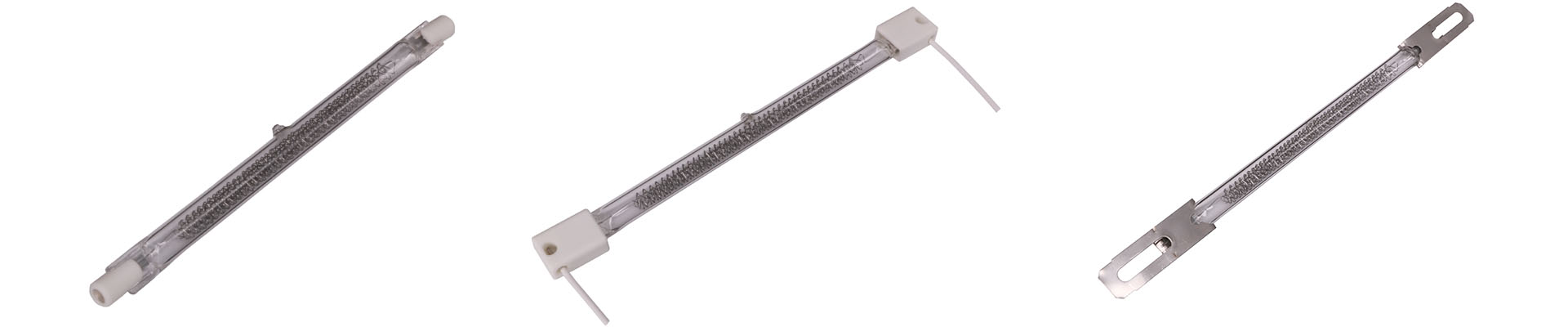
We use a clear carbon fiber element housed in a quartz envelope. The carbon fiber geometry provides predictable resistance, so the lamp reaches operating temperature quickly and holds steady under voltage fluctuations. The clear construction maximizes infrared transmission, and the S-shape reduces hot-spotting compared to straight rods. The lamp is built as a direct-fit replacement. It is engineered to the same envelope dimensions and terminal layout as common industrial infrared heaters, so you can swap it in without modifying brackets or reflectors.
Application & Benefits
This configuration is intended for industrial heating where fast, focused infrared energy is required. In practice, it shortens warm-up time, stabilizes temperature profiles, and reduces maintenance downtime because the replacement is straightforward. The carbon fiber element also handles repeated thermal cycling better than brittle wire elements, which matters when you run 24/7. Trade-off: the 1300W output demands adequate airflow and thermal clearance. If the housing is sealed or undersized, reflector temperature rises and shortens service life. Size the mounting spacing and cooling to match the heat density, and you get consistent performance with minimal waste.